
One of a Kind Handmade Jewelry Gifts: 2026 Guide
Last Updated: October 1, 2026
Why One of a Kind Handmade Jewelry Gifts Stand Out
One of a kind handmade jewelry gifts stand apart because no two pieces are identical. Each carries the maker's hand, the specific stone chosen for it, and a personal story mass-produced accessories cannot replicate.
The Benefits of Buying Handmade Jewelry
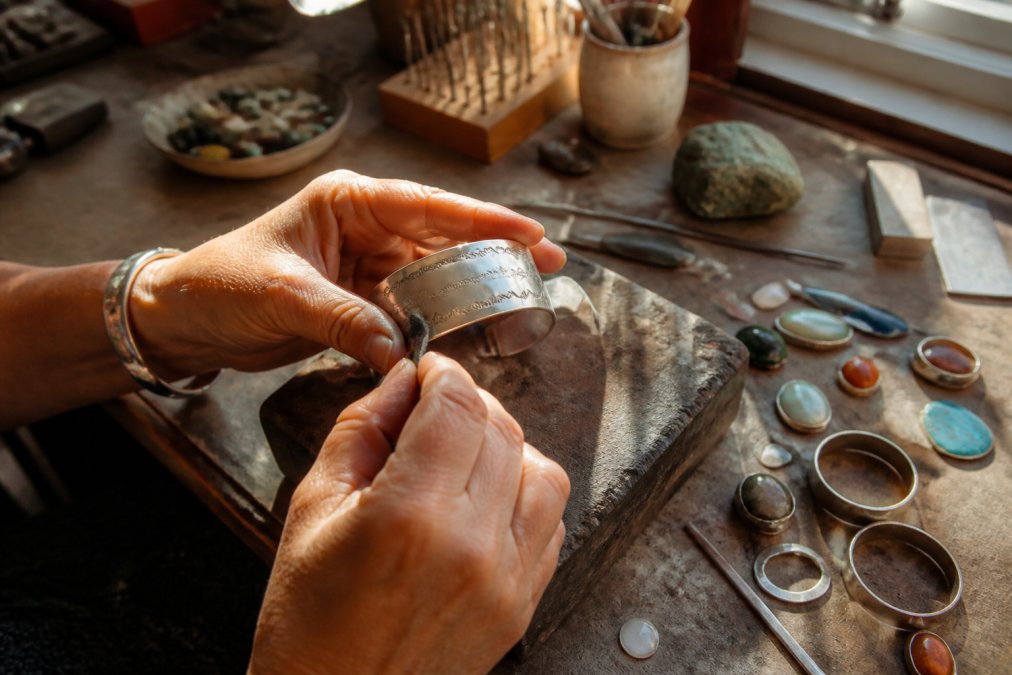
The benefits of buying handmade jewelry come down to three things: material quality, design originality, and the relationship you build with the maker. Handcrafted pieces are typically made in small batches or as single commissions, so the maker can adjust a clasp, resize a band, or swap a stone before it ships. Money spent with an independent designer also stays with a small studio rather than a supply chain, and that story becomes part of the present itself. Each of the designs I create in my Arizona studio are one of a kind. Often I spend hours just finding the perfect gem to complement the metal.
- Originality: no duplicate exists, so the recipient never sees the same piece on someone else
- Traceable materials: makers who work in fine silver, gold, copper, and steel usually know their stone suppliers
- Repairability: artisan pieces can often be fixed rather than replaced
- Personal meaning: many designs draw on nature, symbolism, or a specific memory
The Benefit Competitors Skip: Sourcing You Can Actually Verify
Most articles about handmade jewelry stop at "it's more ethical", a claim, not a benefit you can act on. The real advantage of buying from an independent maker is that you can ask a specific question and get a specific answer. Here is how to verify sourcing in practice:
- Ask who cut the stone. A maker who works with a small lapidary or a known cutter can usually name them. A maker who buys from a wholesale tray often cannot, and that is worth knowing before you spend.
- Ask about metal origin. Recycled sterling silver and recycled gold carry the same purity as newly mined metal. All of my metals are recycled.
- Look for certification where it exists. Fairmined and Fairtrade certifications apply to small-scale and artisanal mining operations. They are not universal, but a maker who holds one will mention it.
- Check the disclosure on treatments. Gemstones are routinely heated, oiled, or dyed. Federal rules require sellers to disclose treatments that affect value, so a maker who volunteers this is following the standard rather than hiding behind it. FTC guidance on jewelry advertising and marking sets those rules.
What This Means for a Gift
When you give a piece with a known origin, you can tell the recipient where the stone came from, who cut it, and why the maker chose it. That story survives after the wrapping paper is gone, and no factory can replicate it. Each of the gems I purchase for my designs is from a known lapidary. I know the source of each gem as well.
How to Choose Unique Handmade Jewelry
Choosing unique handmade jewelry starts with two questions: is the craftsmanship real, and does the piece fit the person who will wear it? Get those right and everything else, including budget, becomes easier.
Identifying True Craftsmanship
Look at the joins first. On a well-made piece, solder lines are clean and settings hold stones tight without visible glue or gaps; run a fingertip along the edges, since a hand-finished surface feels smooth, not sharp. Ask what metals are used and whether the piece is hallmarked or stamped. Sterling silver, fine silver, and gold are standard in serious studio work, while copper and steel appear often in bohemian designs.
Matching Pieces to the Recipient
Match the piece to how the person actually lives, not to how they look in a catalog. Someone who types all day will snag a dangling bracelet. Someone who never removes their jewelry needs a metal that tolerates water and sweat.
Recipient Style |
Best Piece Type |
Metal to Consider |
Why It Works |
|---|---|---|---|
Minimal, everyday wearer |
Simple band or small pendant |
Sterling silver, gold |
Sits flat, resists snagging |
Statement dresser |
Cuff bracelet or bold ring |
Copper, steel, mixed metal |
Holds visual weight |
Symbolism-focused |
Birthstone pendant or charm |
Fine silver with gemstone |
Carries personal meaning |
Collector of artisan work |
Commissioned bespoke piece |
Any, chosen with maker |
One of a kind by definition |
Popular Gemstones and Meaningful Materials in Artisan Jewelry
Gemstone choice is where most one of a kind handmade jewelry gifts become personal. The stone carries the meaning, the setting is built around it, and the maker cuts the bezel or prongs to fit that specific stone, not a calibrated size pulled from a tray. What separates a thoughtful artisan piece from a generic one is whether the maker can tell you the stone's hardness, origin, and how it will behave after five years of wear. I love sharing the storyies and myths behind each gem in my collections.
Reading a Stone Before You Buy It
Hardness is measured on the Mohs scale, from 1 (talc) to 10 (diamond), and it is the single most useful number for a gift buyer because it predicts scratching and dulling.
- Amethyst (Mohs 7): durable enough for rings worn daily, though it can fade with prolonged direct sunlight. Traditional birthstone for February.
- Turquoise (Mohs 5-6): softer and porous, so it is best in pendants, earrings, and cuffs rather than rings that take knocks. The dark veining, called matrix, is unique to each stone, which is why no two turquoise pieces match.
- Malachite (Mohs 3.5-4): the banded green is striking but the stone is soft and sensitive to acids. It should never meet ultrasonic cleaners, lemon juice, or household solvents, and it is best reserved for pendants and statement pieces worn occasionally.
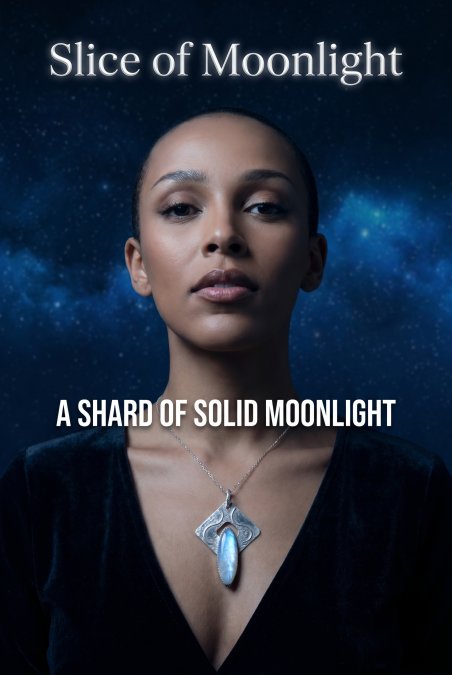
- Moonstone (Mohs 6-6.5): prized for adularescence, the floating blue or white sheen that shifts with the light. It cleaves along internal planes, so it chips more easily than its hardness suggests.
Birthstones and Symbolism
Birthstone jewelry solves the hardest gift problem: it is specific to one person and impossible to duplicate exactly, because the maker sets the stone by hand. A good maker will also suggest alternatives, a March recipient who dislikes aquamarine might prefer a blue topaz or labradorite with a comparable tone. Beyond birthstones, symbolism drives many commissions, pairing a stone with a meaning the recipient already holds: turquoise for protection in southwestern traditions, moonstone for new beginnings, garnet for January and for loyalty.
Mixed Metals and Non-Traditional Materials
Copper and steel add contrast in bohemian and vintage-inspired designs. Copper develops a patina many wearers love and others want polished away, and steel holds a matte finish that resists scratching better than silver. Neither is a compromise, they are a design decision. I love having all these metal options when choosing my next design.
Frequently Asked Questions
What makes handmade jewelry a better gift than mass-produced pieces?
Handmade jewelry carries the maker's individual touch, so no two pieces are identical. Artisans select materials like fine silver and genuine gemstones, then shape each design by hand. That process produces a gift with character that a factory mold cannot copy. The recipient gets something made for them, not pulled from a shelf.
How can you tell if a piece of jewelry is truly one of a kind?
Look for small variations in the metalwork, hand-finished edges, and natural differences in the stones. Ask the maker whether the design is repeatable. A true one-of-a-kind piece cannot be reordered in the same form. Independent designers often document the inspiration behind each piece, which confirms its singular status.
How do you care for handmade sterling silver and gold jewelry?
Store each piece separately in a soft pouch to prevent scratches. Clean sterling silver with a polishing cloth and mild soap, avoiding harsh chemicals. Gemstones like turquoise and malachite are softer, so keep them away from water and perfumes. Remove jewelry before swimming, showering, or exercising to preserve the finish.
What should you look for when buying artisan jewelry online?
Check for detailed photos, material descriptions, and the artist's background. Read about the sourcing of gemstones and metals. Ask about the return policy and whether custom sizing is available. A video consultation can confirm scale and color before you commit, which reduces the risk of a piece looking different in person.