
How to Care for Handmade Sterling Silver Jewelry
Last Updated: October 24, 2026
Why Handmade Sterling Silver Needs Its Own Care Routine
Knowing how to care for handmade sterling silver starts with one fact: handmade jewelry ages differently than factory pieces. I've spent 18+ years shaping silver by hand, and the biggest lesson is simple: a handmade piece carries textures, patinas, and settings that mass-produced jewelry never has. Learning how to care for handmade sterling silver means respecting those details, not scrubbing them away.

Sterling silver is 92.5% pure silver mixed with other metals, usually copper (What is sterling silver?). That mix makes it strong enough to wear daily. It also makes it tarnish. Copper reacts with sulfur in the air and turns dark. That dark layer is called oxidation, and on handmade work it can be a feature or a flaw depending on the design.
Here's the catch most guides skip. A reticulated finish, an oxidized recess, or a hand-set stone can be ruined by the wrong cloth or cleaner. Your care routine has to match the piece.
How to Clean Sterling Silver Jewelry Without Damaging the Finish
The safest way to clean sterling silver jewelry is mild dish soap, lukewarm water, and a soft cloth. Skip the harsh dips and abrasive pastes. Gentle cleaning protects the finish and keeps gemstones safe.
The Mild Soap and Lukewarm Water Method
Follow these steps for most pieces:
- Fill a clean bowl with lukewarm water and a drop of mild dish soap.
- Let the piece soak for two to three minutes.
- Swish it gently. Don't scrub.
- Rinse thoroughly under lukewarm running water.
- Dry completely with a soft cloth.
Use a clean bowl, not the sink. Small stones and earrings slip down drains fast.
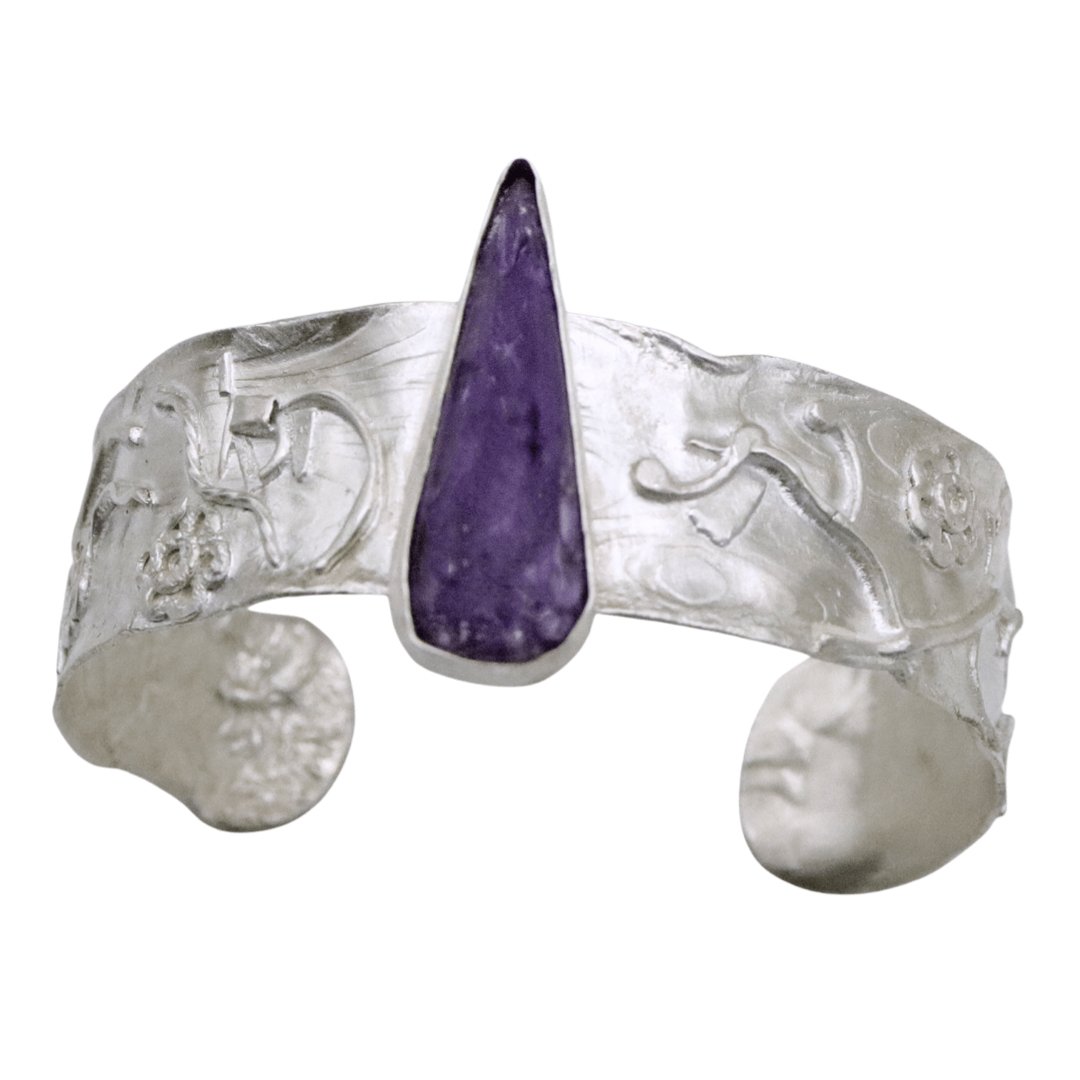
Cuff Sterling and Charoite Gem
Using a Soft-Bristled Brush on Intricate Details
A soft-bristled brush reaches the crevices a cloth can't. Use a baby toothbrush or a dedicated jewelry brush. Work in small circles with light pressure.
- Keep the brush wet with soapy water.
- Avoid stiff bristles, which scratch silver.
- Skip the brush near soft gemstones like turquoise or opal.
- Never scrub oxidized recesses you want to keep dark.
How to Remove Tarnish From Sterling Silver on Textured and Oxidized Pieces
Tarnish removal on handmade silver is a balancing act. You want the raised surfaces bright while the recessed oxidation stays dark. That contrast is often the whole point of the design, and it is the first thing a careless cleaner destroys.
Start with a sterling silver polishing cloth. Rub only the high spots with light pressure. Stop as soon as the shine returns. If the piece has a deliberate oxidized finish, avoid liquid dips entirely. They strip the dark layer and flatten the look.
For heavier tarnish, a jeweler's rouge cloth works on plain silver. Test it on a hidden spot first. Reticulated and textured surfaces hold tarnish in the low areas, so a gentle pass beats a hard scrub every time.
Match the Method to the Finish
Handmade pieces rarely share one finish, so one cleaner rarely fits all. Use this as a starting framework:
- High-polish surfaces: a treated polishing cloth followed by a microfiber buff. Avoid abrasive pastes, which leave micro-scratches that dull the shine over time.
- Brushed or satin finishes: a soft cloth only, worked in one direction along the grain. Circular rubbing blurs the directional texture the maker intended.
- Oxidized recesses: a polishing cloth on the raised metal only. Never a liquid dip, and never a brush into the dark areas.
- Reticulated or hammered textures: a soft-bristled brush with mild soap to lift grime from the low spots, then a light cloth pass on the highs. Skip rouge on deep textures, where residue lodges and turns gray.
- Patinated or antiqued pieces: dry wiping only unless the maker says otherwise. Any wet method risks lifting an applied patina.
When Not to Use Home Cleaning Methods
Some pieces should never see a home cleaning session. Put the soap down and call a professional when you spot these:
- Loose stones or wobbly settings
- Glued components, pearls, or porous gems
- Deep scratches or bent prongs
- Antique or delicate filigree
- Any piece where the finish looks fragile
- Plated or vermeil details, where polishing can wear through the plating
- Intentional patina the maker applied and you want to keep
Water can weaken glue and work its way under stones. When in doubt, don't dunk it. A jeweler can clean a delicate piece with methods that don't risk the setting or the finish.
Choosing and Using a Sterling Silver Polishing Cloth
A sterling silver polishing cloth is your everyday tool, but not all cloths work the same way. The treated ones carry a mild cleaning agent in the fabric that lifts tarnish as you rub. Untreated cloths only buff and dry. Knowing which you have changes how you use it.
Here is how the common types compare:
- Treated polishing cloths: impregnated with a gentle cleaner. Best for light tarnish on high spots. Don't wash them, because washing strips the treatment.
- Rouge cloths: carry a fine jeweler's rouge abrasive. Effective on plain silver and heavier tarnish, but too aggressive for oxidized recesses and soft stones.
- Microfiber cloths: no cleaning agent. Ideal for drying, buffing, and wiping after wear. They won't remove tarnish on their own.
- Soft cotton or flannel: good for storage wraps and gentle drying. Not a tarnish remover.
A two-cloth system covers most needs: a treated cloth for cleaning and a microfiber cloth for buffing and drying. Keep them separate from laundry so they stay free of lint and detergent residue.
Use a polishing cloth like this:
Sterling Silver Ring. Sacred Spiral Collection-assorted sizes →
- Wipe the piece after every wear to remove skin oils and moisture.
- Use light pressure on textured areas and let the cloth do the work.
- Work the high spots only on oxidized pieces.
- Don't wash treated cloths. Replace them when they turn dark or stiff.
- Store the cloth in a bag or box so it doesn't pick up grit that can scratch silver.
One gap most guides skip: cloth choice should follow the finish, not the other way around. A rouge cloth on a brushed finish can flatten the grain, and a treated cloth worked hard into an oxidized recess will lighten the very contrast the maker designed. When a piece has mixed finishes, use the gentlest cloth that lifts the tarnish and stop as soon as the shine returns.
How to Store Sterling Silver Jewelry to Slow Tarnish
Storing sterling silver jewelry well is half the battle. Tarnish speeds up with moisture, humidity, and sulfur in the air. Cut off those three and your pieces stay bright far longer.
Follow these storage habits:
- Store each piece in an anti-tarnish pouch or airtight bag.
- Keep pieces separate so they don't scratch each other.
- Choose a cool, dry place away from sunlight.
- Add a tarnish strip to drawers for extra protection.
- Keep silver away from wool, rubber, and cardboard.
Bathrooms are the worst spot. Steam and humidity speed oxidation fast. A bedroom drawer or a closed jewelry box in a dry room works far better.
A Practical Tarnish-Prevention Routine for Daily Wear
Prevention beats polishing every time. A simple daily routine keeps tarnish removal rare and keeps handmade details sharp.
Here's the routine I recommend:
- Put jewelry on last. Perfume, lotion, and hairspray go on first.
- Take it off first. Remove pieces before bed, showers, and workouts.
- Wipe after wearing. A quick pass with a soft cloth removes oils and moisture.
- Skip the pool and hot tub. Chlorine and sulfur speed up tarnish.
- Wear it often. Gentle friction from wear actually slows tarnish buildup.
That last one surprises people. Silver that sits in a drawer tarnishes faster than silver you wear. Regular wear keeps the surface polished naturally.
Repair and Professional-Care Thresholds: When to Stop DIY
Some problems need a jeweler, not a cloth. Knowing when to stop is what protects a handmade piece for decades.
Call a professional when you notice:
- Stones that rattle or sit loose
- Prongs that look thin or bent
- Cracks at solder joints
- A clasp that won't hold
- Tarnish that won't lift after gentle cleaning
- Any structural bend in a band or setting
Handmade pieces often have one-of-a-kind settings. A jeweler who understands hand-worked silver can tighten a setting or re-tip a prong without ruining the finish. Trying it yourself usually makes it worse.
Conclusion
Caring for handmade sterling silver comes down to gentleness and consistency. Mild soap, a soft cloth, smart storage, and a daily wipe keep your pieces bright for years. Respect the finish, and it will reward you.
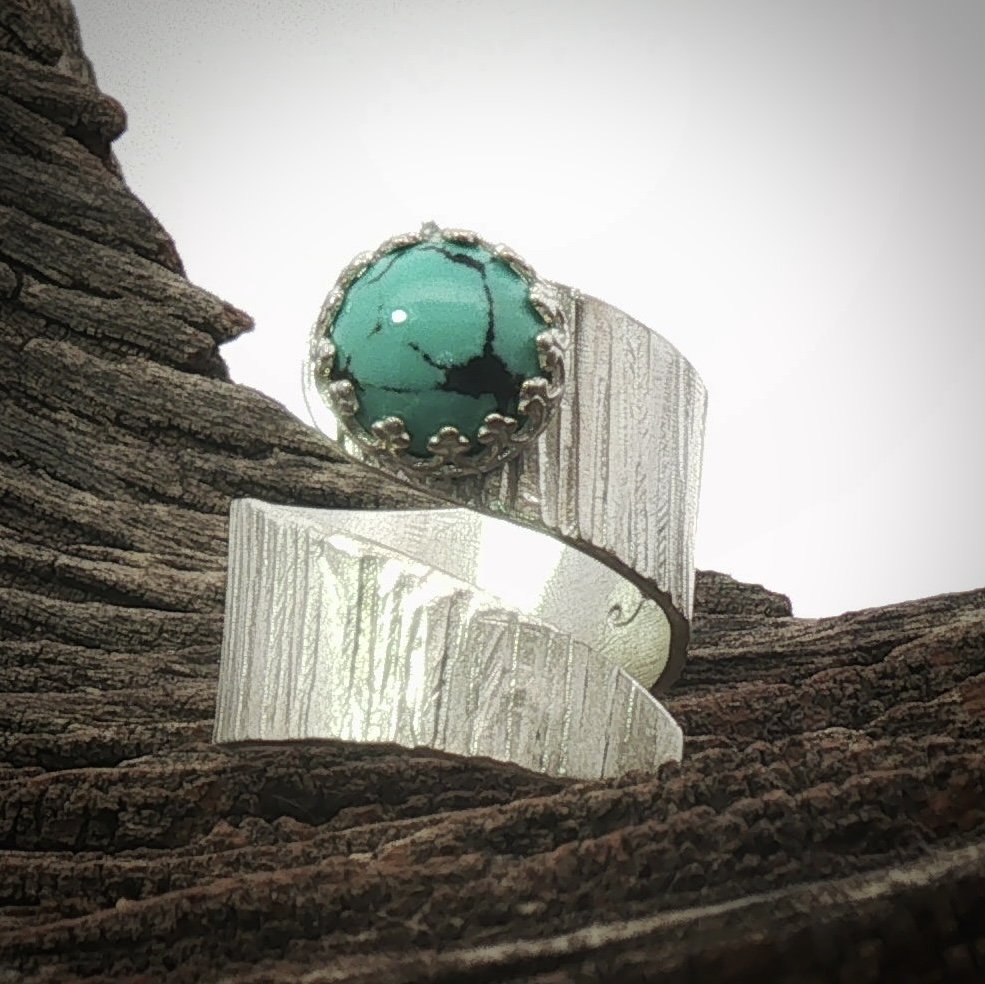
At Alene's Adornments, every piece leaves my Arizona studio built to last. My sterling silver rings, like the $82 Sacred Spiral ring and the $120 faceted garnet ring, are made to be worn and loved, not tucked away. Join my Collector's List today and get first look at new one-of-a-kind pieces.
 Frequently Asked Questions
Can I use Dawn or baking soda to clean sterling silver?
Dawn dish soap works when it is unscented and dye-free, mixed with lukewarm water and rinsed completely. Baking soda is harsher than it looks: it is abrasive and can dull a reticulated or oxidized finish that gives handmade pieces their character. Toothpaste is worse, since its grit scratches silver. For textured, patinated, or gemstone-set pieces, stick with mild soap, a soft-bristled brush, and a sterling silver polishing cloth rather than paste or powder remedies.
How often should I clean handmade sterling silver jewelry?
Wipe each piece with a soft cloth after every wearing to remove skin oils and perfume residue. Do a full wash with mild dish soap and lukewarm water every few weeks if you wear a piece often, and before storing anything long-term. Tarnish shows up faster in humid rooms, near open windows, or on pieces left out on a dresser. If you see a yellow-brown haze starting on a bracelet or ring, clean it then rather than waiting for a set schedule.
Can I shower or swim while wearing sterling silver?
Skip it. Chlorine in pools and hot tubs attacks the copper alloyed into sterling silver, and soap scum, shampoo, and hard water leave a dull film on textured surfaces. Salt water speeds oxidation too. The same goes for lotion, perfume, hairspray, and sunscreen: apply them first, let them dry, then put your jewelry on. A handmade ring with a reticulated or oxidized finish shows water damage faster than a polished mass-produced band because the surface has more places for residue to settle.
How do I store sterling silver jewelry to prevent tarnish?
Store each piece separately in an airtight container, anti-tarnish pouch, or a lined jewelry box in a cool, dry place. Air and humidity drive tarnish, so a sealed bag beats an open tray every time. Keep pieces from touching each other to avoid scratches, and add a small anti-tarnish strip to drawers where you keep multiple items. Never store silver in a bathroom: steam from showers keeps humidity high and tarnish starts within days.